Common Signs That Your Bird May Be Unwell
We are all concerned for the well-being of animals in our care. Birds, just like any other animal, can become sick and we need to learn about some of the indicators of a possibly ill parrot. A birds instinct is to hide their sickness for as long as possible. In the wild a sick or injured bird will be abandoned or chased off for being a risk to their flock.
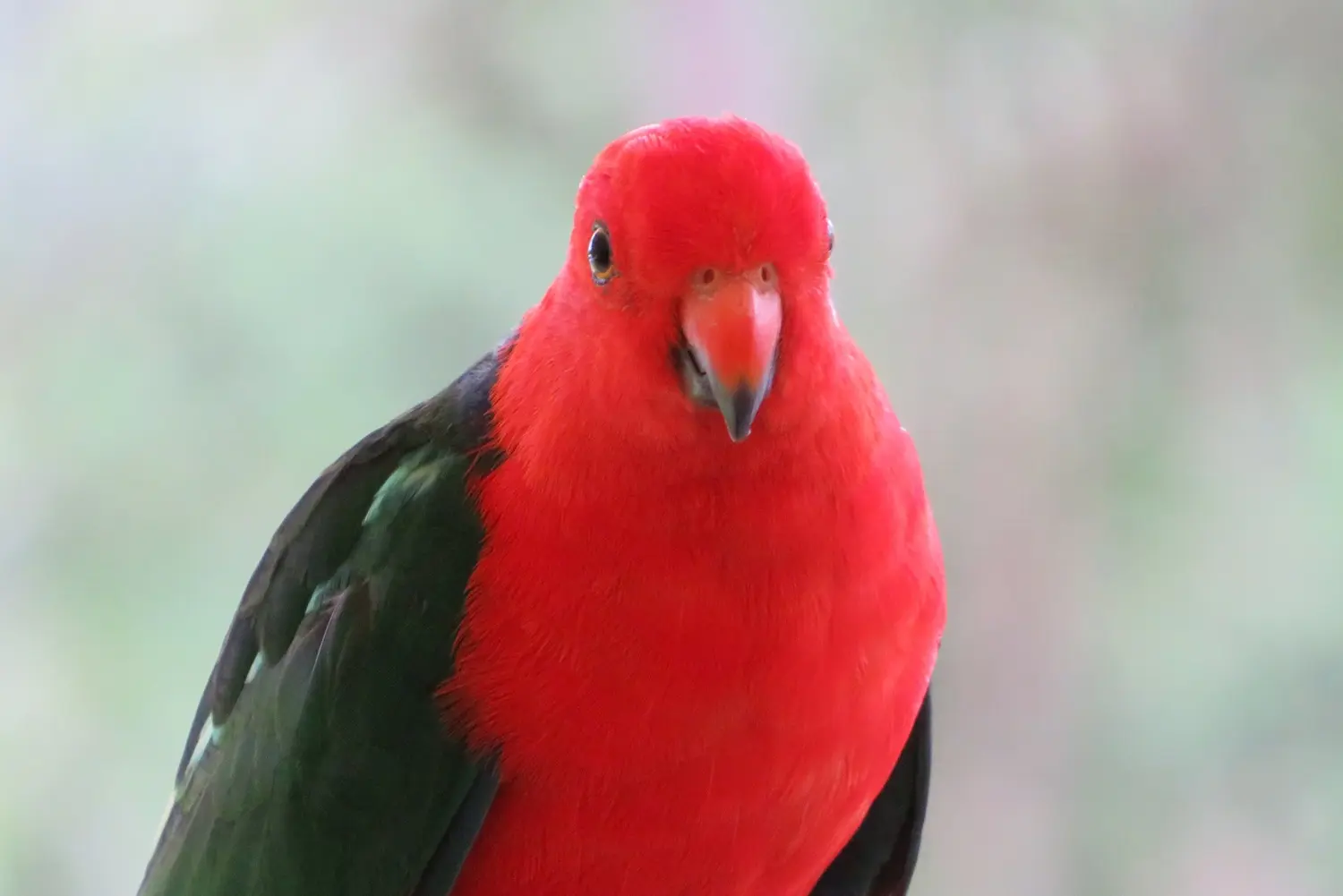
Here are some general signs that may help you in detecting if your parrot is unwell and in need of veterinarian attention.
Behavioral Change
If your feathered friend is showing signs of lethargy, is unusually quiet, or has become very nippy this can be an indicator of something more serious. While our older parrots will typically become less vocal and movement becomes slower as they age, a sudden decrease in their normal activity is definitely something you need to investigate. Your parrot may go from being energetic and playful, to being very grumpy or lacking energy. You should know what is typical for your bird and what is not normal behaviour through observation.
Eating Habits
Parrots can be really fussy eaters, however, they are often creatures of habit when it comes to the type and amount of food they consume. When you notice changes in your birds dietary intake you should pay close attention to what has changed. Are they avoiding one specific food type, or have they gone off eating all of their food? Adding supplements to assist their gut health could be all that is required, but this is a situation you need to monitor closely.
There will be a change in the amount of food eaten, and the type of food, when they enter a breeding cycle so do allow for this. It is a good idea to also be monitoring and documenting the weight of your parrot regularly to help identify changes.
Regurgitation
You will likely see this when your parrot is in the breeding cycle or may notice, for example, budgerigars doing this with their mate as a bonding action. If you see this activity in other situations it should be time to take your parrot into the vets for a health checkup. It could be a sign of a health issue such as a crop infection, which can often be accompanied with an unusual odour.
Posture Has Changed
One of the more obvious signs your bird could be unwell is when you notice their posture change. The most common sign I have seen is their posture changes into a more curved position, with their tail curving inward and no longer straight out. Other indicators may be that their wings hang lower than a normal position, or they spend more time on the bottom of their enclosure (typically in a corner). This can be a number of serious things, and as such, a thorough check up by a suitable vet is definitely needed.
Respiratory Issues
Respiratory issues are life threatening and will need immediate veterinarian attention. Any signs of your parrot having difficulty breathing, or they are wheezing, will require a visit to the vet as soon as possible. A discharge from the nose is also something that will require medical attention. You cannot leave this and hope they will recover, they will need medications to help them.
Physical Changes
Sometimes illness in your parrot is obvious by their appearance. Any signs of swelling, redness, limping or difficulty in general movement should be reviewed. If their ability to climb and perch comfortably is an issue you should book an appointment with a vet. Also note the consistency of their droppings, as changes in this can signal a health issue for your parrot. Droppings that have clumped and stuck to their feathers is also a warning sign that something is wrong. Deterioration in the appearance of their feathers will also signal a need to investigate further.
By being proactive with your birds health such as having a Health Kit for them, and being familiar with their normal behaviour and appearance, you can really make a positive contribution to their overall enjoyment of life.